Austin International Airport (AUS) West Gate Expansion
The West Gate Expansion at the Austin-Bergstrom International Airport (AUS) expanded the capacity and enhanced passenger amenities to improve passenger experience and enhance the operational support needs of one of the busiest airports in the United States.
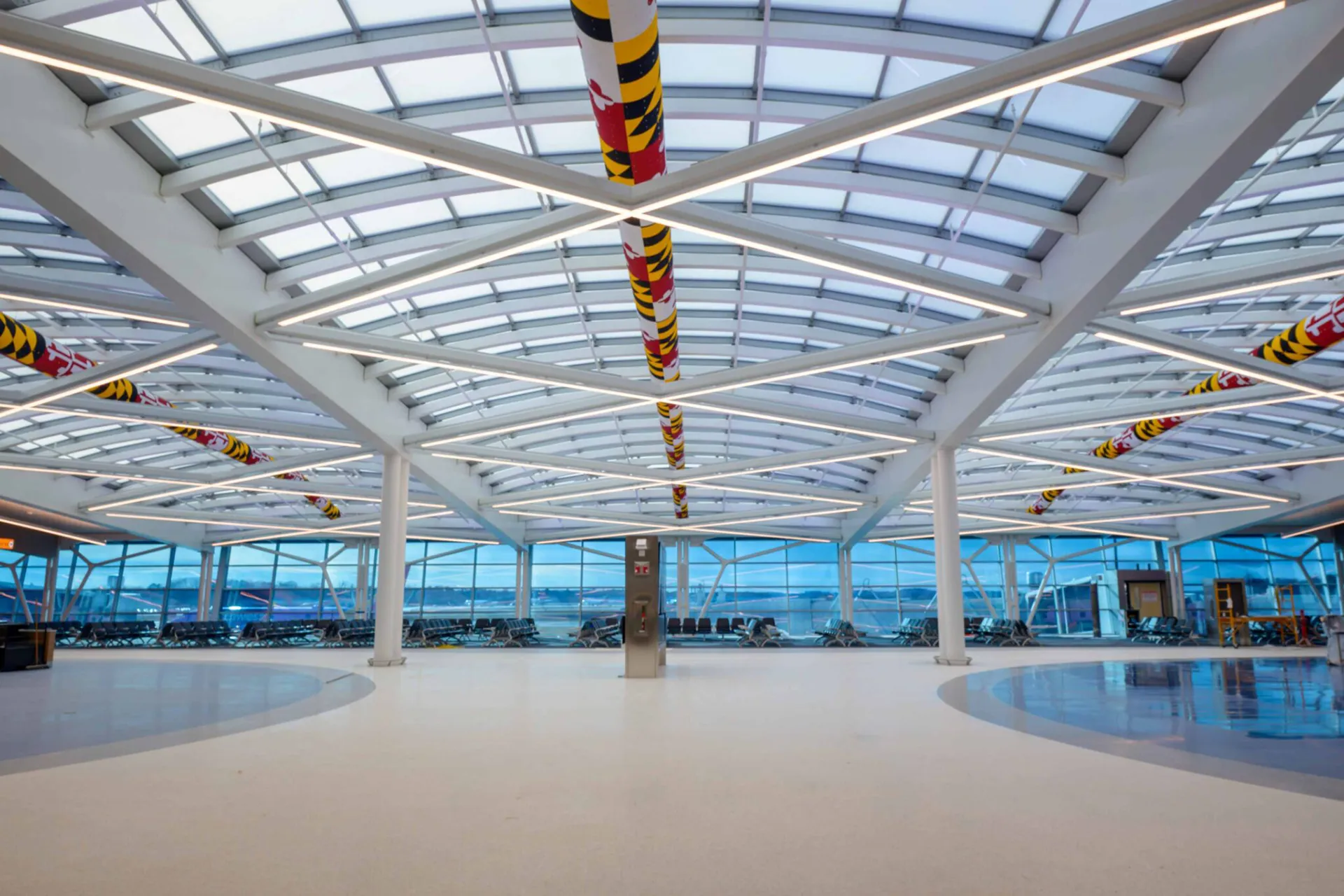
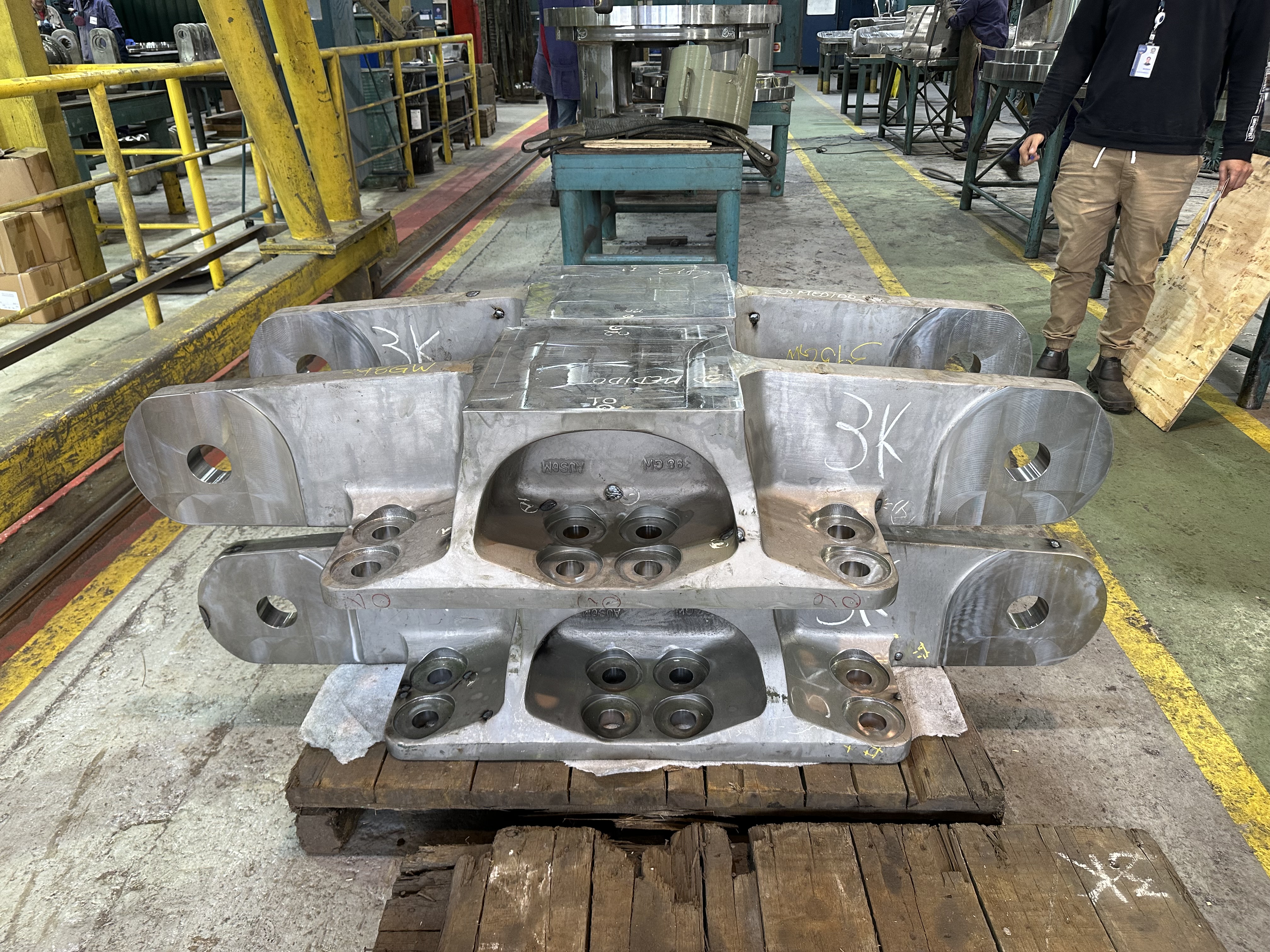
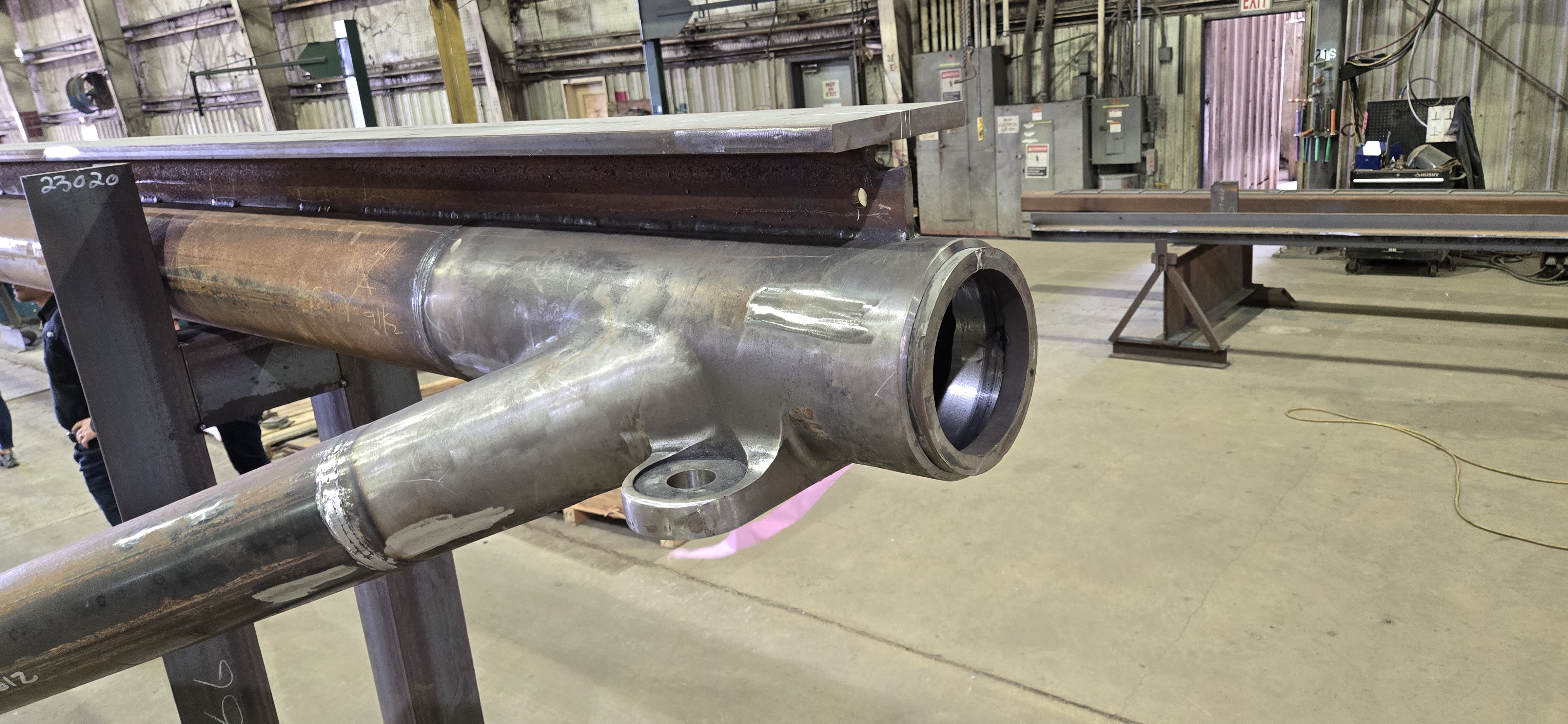
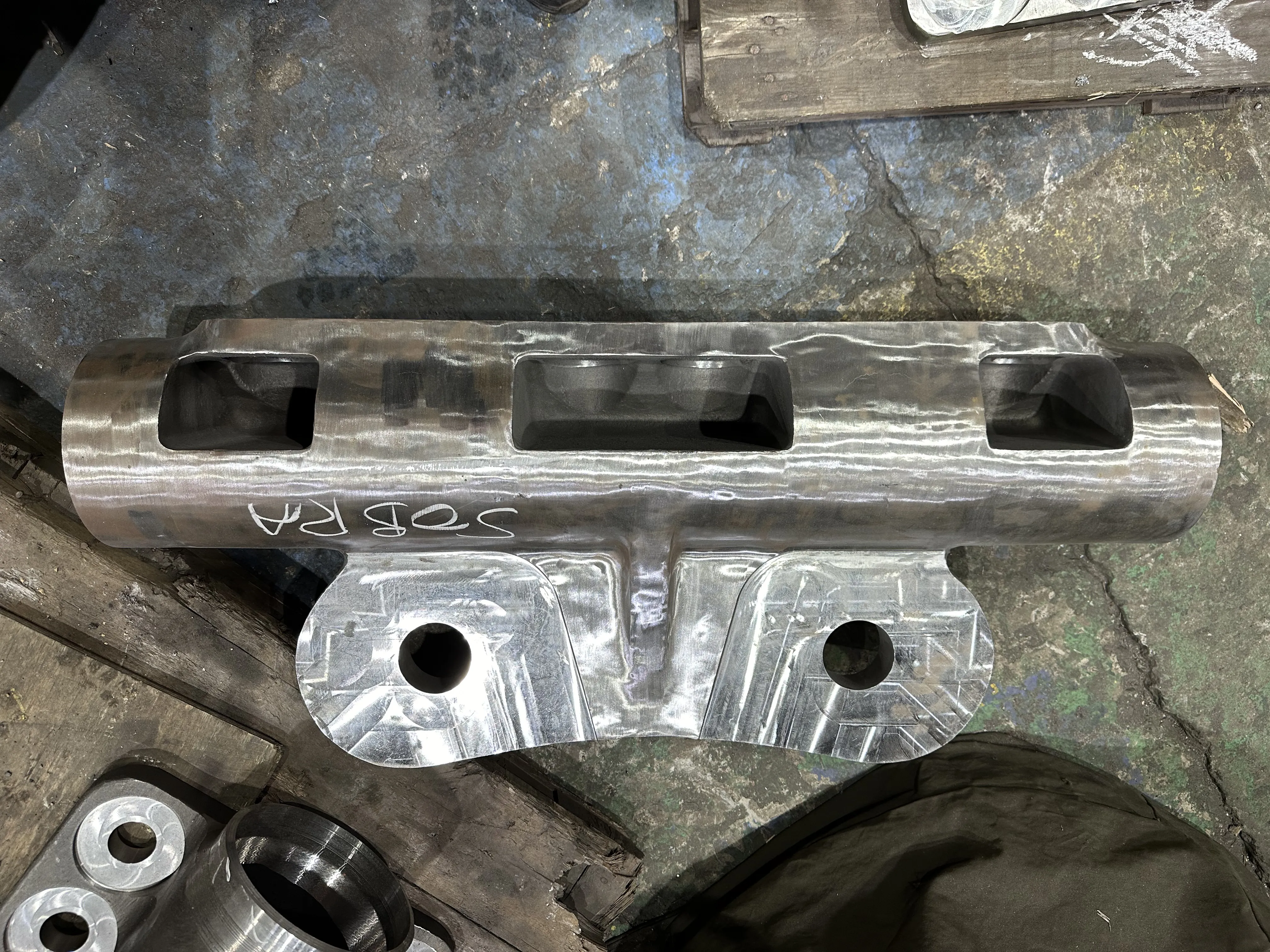
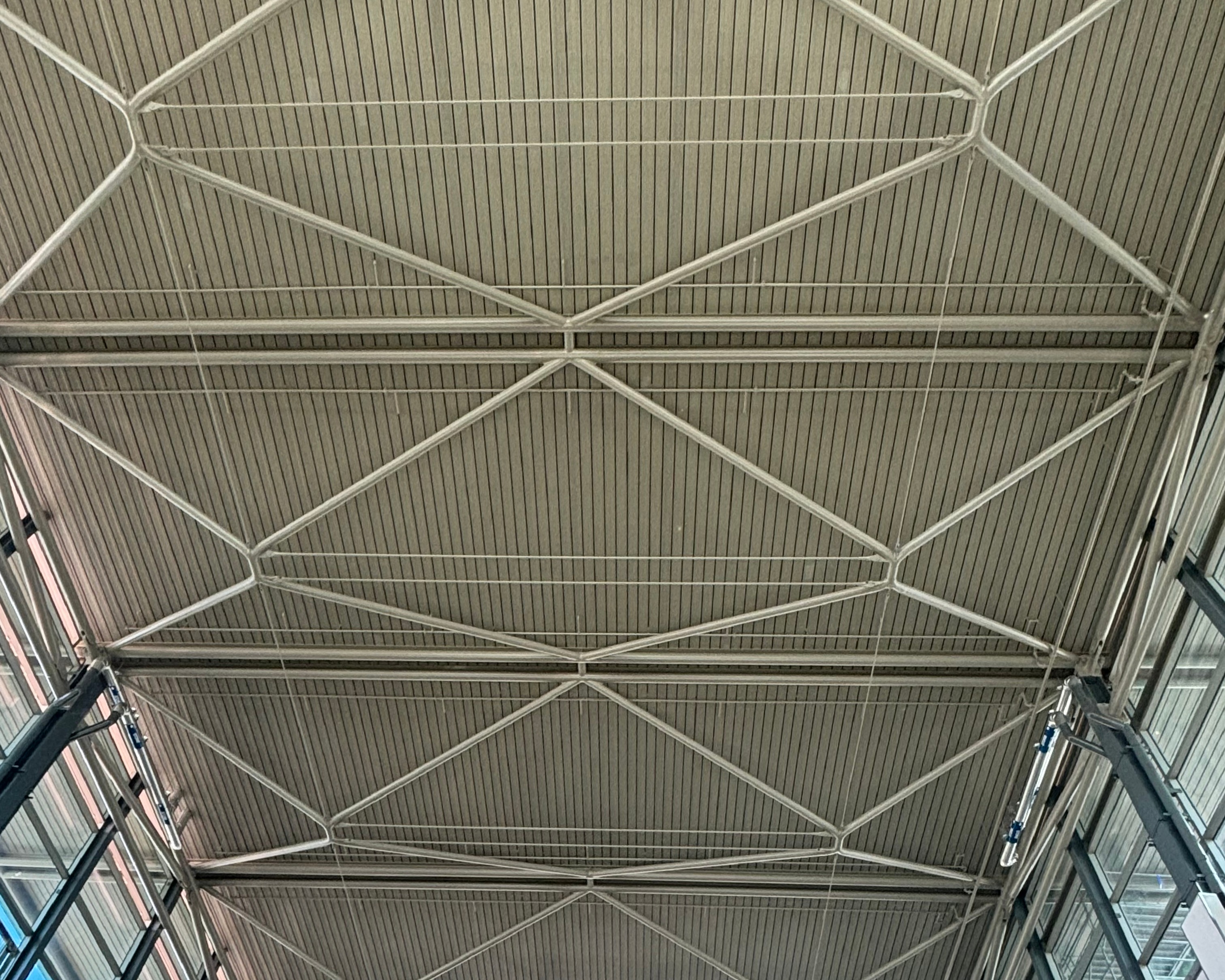
A central feature of the West Gate Expansion is the intricate roof truss system that establishes both architectural character and structural performance of the mezzanine roof. CAST CONNEX cast steel components were specified throughout the roof system, combining standardized and custom connectors to deliver precise, efficient, and constructible truss connections.
The use of field-pinned and field-bolted CAST CONNEX components minimized tolerance-related fit-up issues, improved that structural integrity of slender tubular connections, and provided an easily constructable visually expressive roof structure.
Owner: Austin-Bergstrom International Airport (AUS)
Architect: Stantec (Previously Page/)
Structural Engineer: TYLin (previously Architectural Engineers Collaborative (AEC)
General Contractor: Hensel Phelps Construction Co.
Steel Fabricator: Alamo Structural Steel
Steel Erector: Bosworth Steel Erectors
Casting Design Engineer & Manufacturer: CAST CONNEX
Share:


.png)

The Project
The West Gate Expansion represents a critical initiative for the Austin-Bergstrom Airport Expansion and Development Program (AEDP). The project added approximately 84,500 square feet (7,850 square meters) across three levels to increase the capacity of the Barbara Jordon Terminal. With expanded passenger amenities, a spacious mezzanine, and the addition of three gates, the West Gate Expansion was designed to meet the airport’s growing passenger and operational demands.
.png)
CAST CONNEX Solution
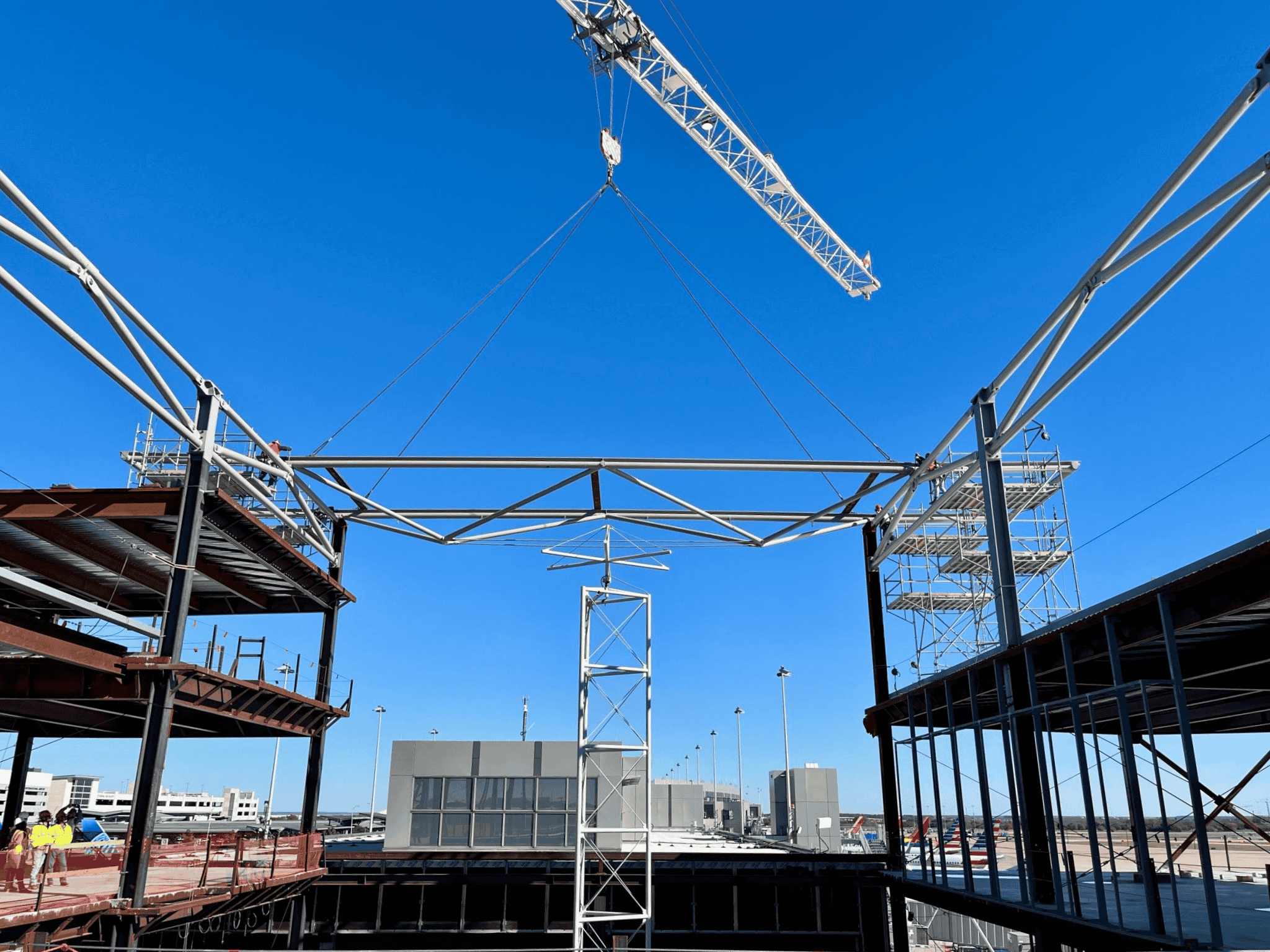
The mezzanine of the West Gate Expansion features architecturally exposed structural steel (AESS) roof trusses. CAST CONNEX pre-engineered Universal Pin Connector (UPC) and custom designed cast steel nodes were utilized throughout the geometrically complex roof truss system to enhance the architectural character of the truss connections, improve the structural integrity of the slender connections, and reduce complex steel fabrication and erection.

Optimized Structural Performance: Working closely with the design team, CAST CONNEX streamlined multiple complex truss connection types into simplified cast steel geometries. The custom cast steel nodes were designed with strategically reinforced regions that resolved the local wall buckling and shear-punching failures that are common with highly complex hollow structural section (HSS) connections. The optimized geometry of the custom steel castings also addressed complex loading conditions and enabled a stiffer overall structure that limited building drift, which is critical for the performance of the curtain wall system. Harnessing the geometric versatility of steel castings, the CAST CONNEX cast steel components enhanced the structural reliability and overall performance of the roof truss system.
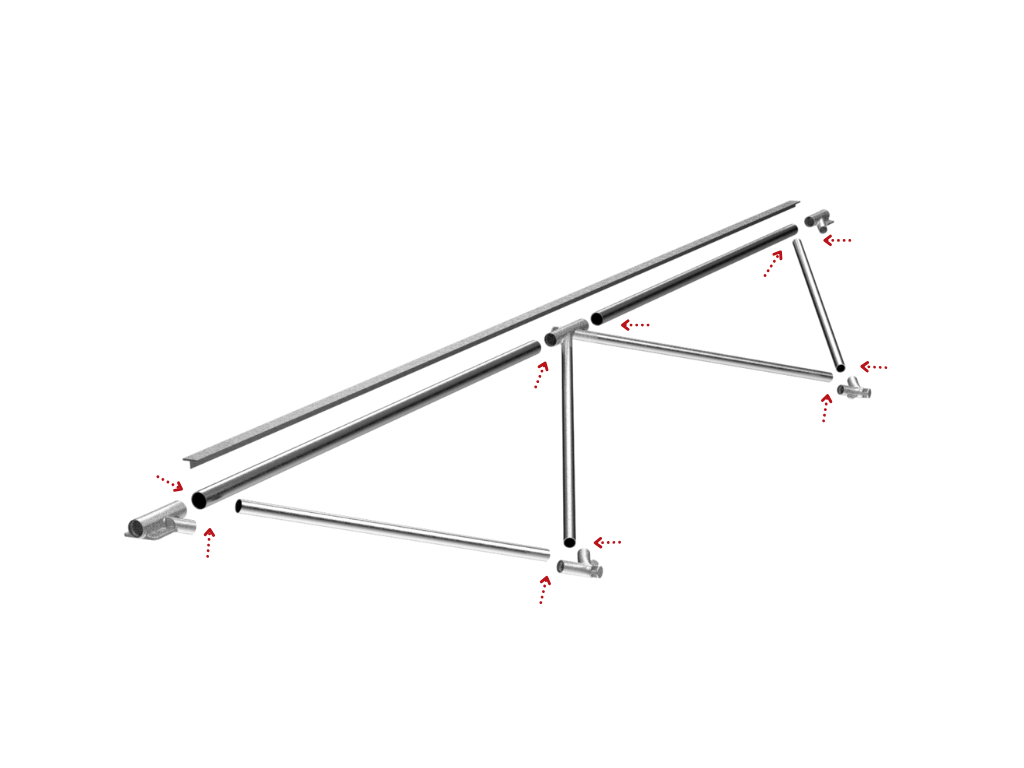
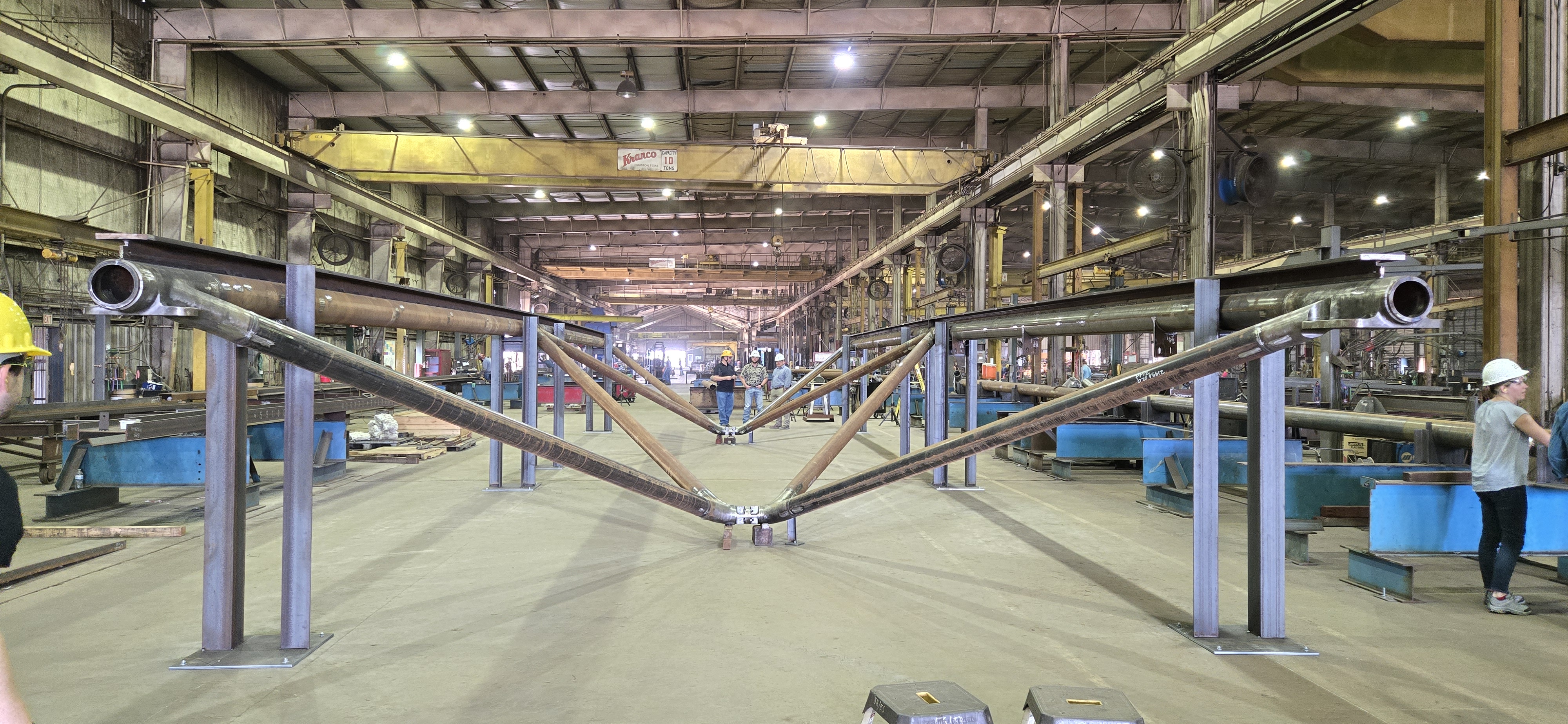
Streamlined Fabrication and Risk Management: By leveraging the geometric freedom of steel castings, complex tubular T-Y-K type weld joints were converted into simplified, single cut butt-splice weld joints. CNC-machining of CAST CONNEX cast steel components provided precision connection tolerances accelerated fabrication and enhanced reliability of the fit-up of the connections. The simplified welding features and precision geometries of the CAST CONNEX solution minimized the risk of costly fabrication errors and on-site rework of the architecturally sensitive connections.
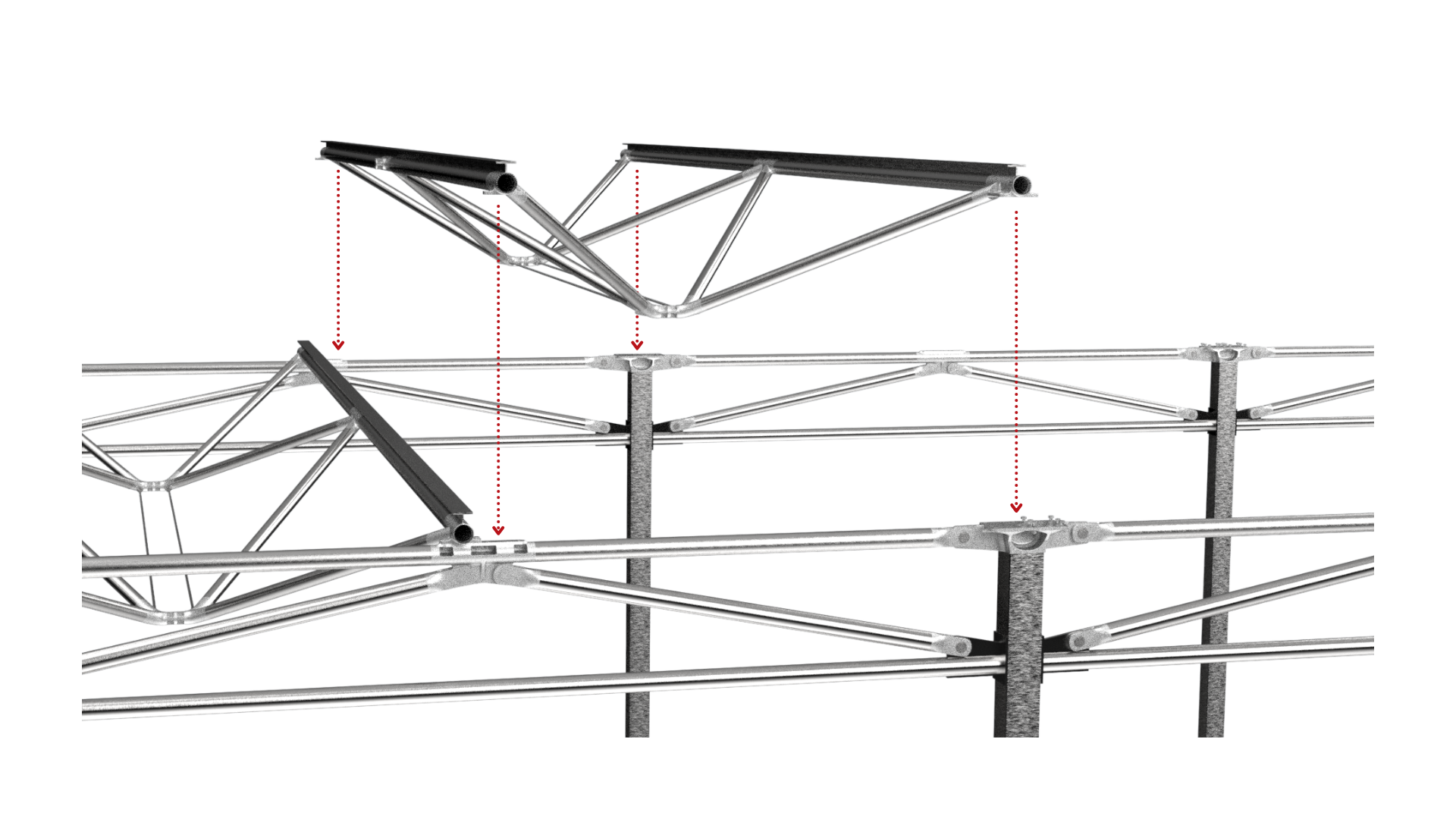
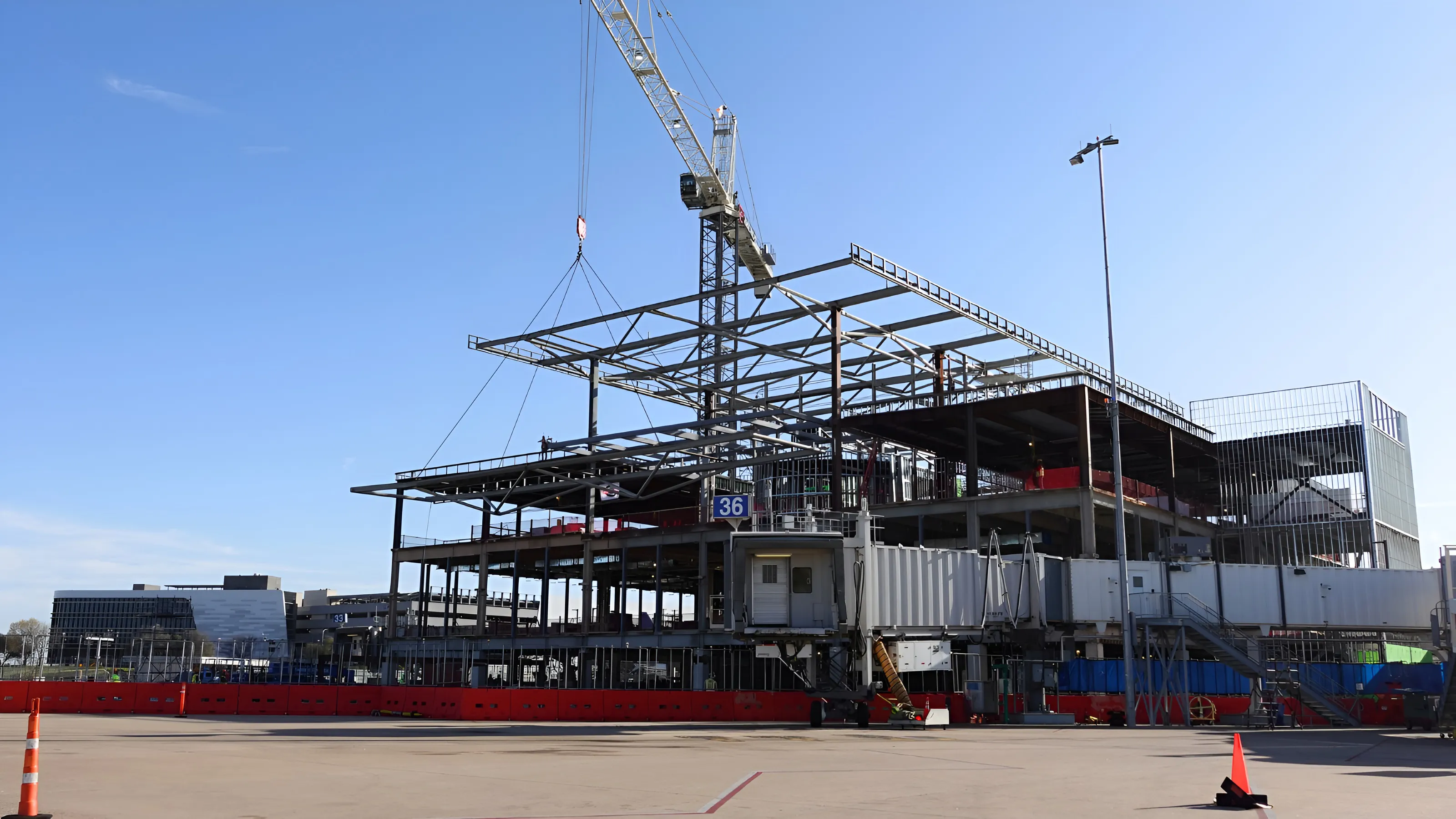
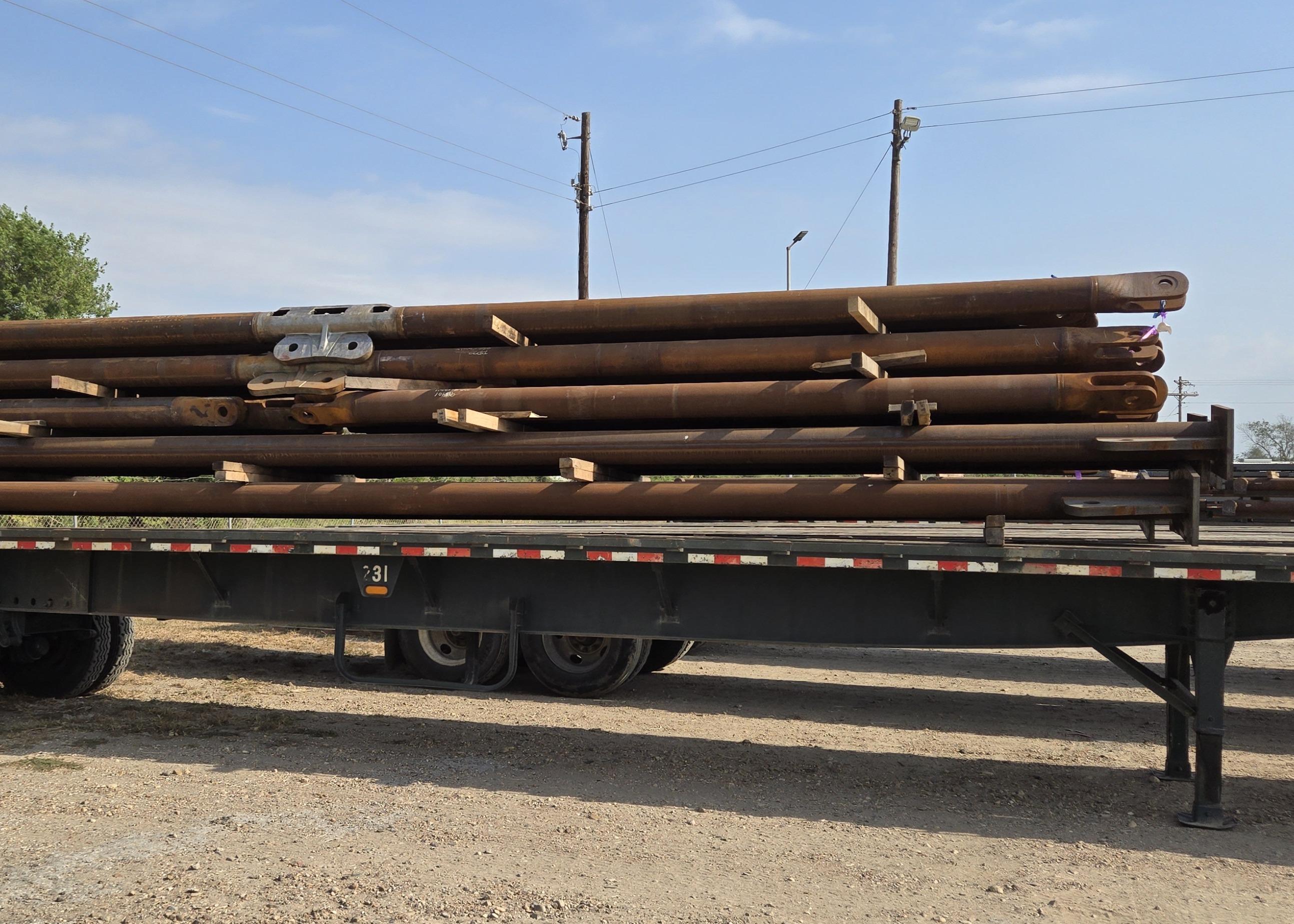
Modular Assembly: CAST CONNEX cast steel components with pinned and bolted connections facilitated modular construction of the large roof trusses. Fabricated in a controlled environment, the AESS truss modules arrived at the project site ready to be bolted together on the ground and then lifted into place as complete segments. This streamlined construction method accelerated the project schedule, reduced on-site disruptions at the active airport, and delivered a controlled, efficient, cost-effective, and safe steel erection process.
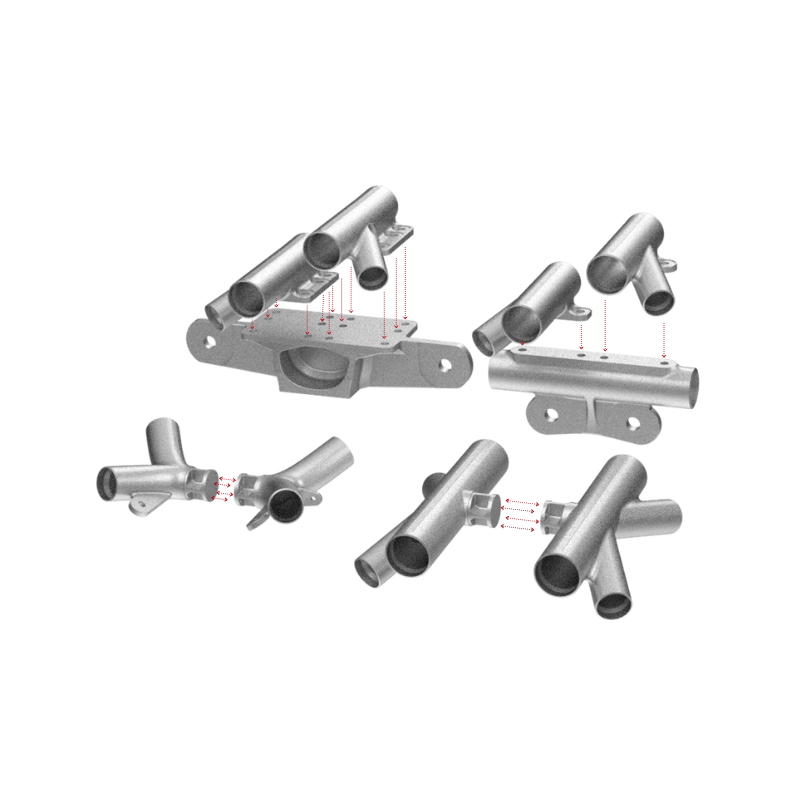
Elimination of AESS Field Welding: The field bolted and pinned CAST CONNEX solution eliminated all potential on-site AESS weld remediation of the elevated truss connections. Custom cover plates gave select bolted connections an AESS-level welded appearance, and the UPC hardware delivered uniform and clean pin covers. The use of CAST CONNEX cast steel components reduced extensive on-site AESS craftsmanship and improved on-site safety by eliminating complex welding at higher altitudes.
.png)
Project Success
The West Gate Expansion at AUS demonstrates how CAST CONNEX cast steel solutions deliver high level architectural expression, improved structural ingenuity, and efficient structural steel construction. The innovative use of cast steel components delivered a passenger-focused terminal expansion that serves as a model for high-performing, constructible, and visually striking aviation infrastructure.
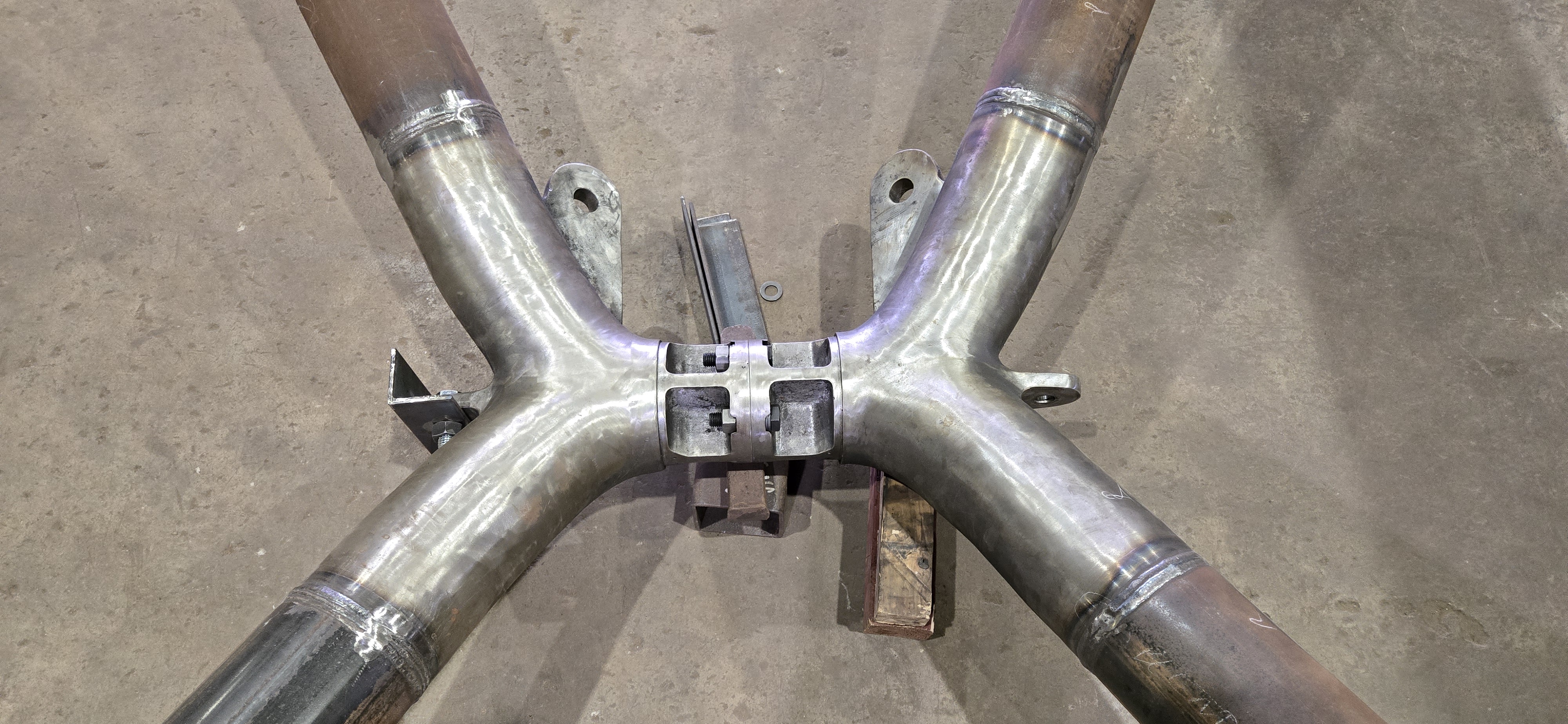
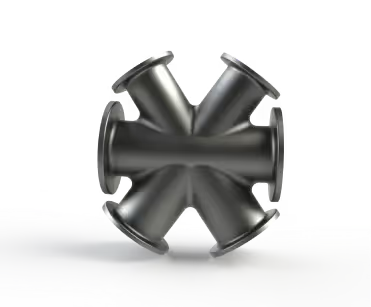
Products Used On the Project


Related Testimonials
Two words… GAME CHANGER!!! Castings used in the trusses cut fabrication time by a minimum of 50%. They also significantly reduced field labor with integrated bolted solutions. Each casting was spot on. From a fabrication standpoint, we had absolutely no issues.